
"Ethiopian bean shape"
1000 article(s) found

A brief introduction to boutique coffee and Ethiopian coffee
Ethiopia is the hometown of Arabica coffee, and it is in the forests of Kaffa that you can see wild Arabica coffee. In Ethiopian, coffee is called Bun or Buna, and coffee beans (coffee bean) may be translated from Kaffa Bun. Arabica coffee was discovered early in the Harar area, probably from the card.

Humbela Sakuran Coffee Humbella Coffee characteristics is Humbela Sakuran Ethiopian coffee
Professional coffee knowledge exchange more information on coffee beans Please pay attention to the coffee workshop (Wechat official account cafe_style) few coffee-producing countries are as diverse in coffee quality and cup shape as Ethiopia. From the coffee in this country, you can experience the incredible quality of all kinds of flowers, fruits and plants. Guji region of Ethiopia
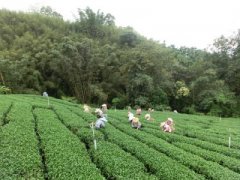
A brief introduction to the Market Price of Fine Coffee Bean varieties in the Sweet and lovely Ethiopian Coffee Manor
Yirgachefe Coffee this coffee grows in areas ranging from 1500 to 2200 meters above sea level. This coffee is washed in a clear stream, carefully selected by hand and exposed to plenty of sunshine. The taste is unique; the fruit is medium-sized, comparable to Mocha. The taste is mellow, the charm is unique, it gives people a fresh feeling, and the market prospect is optimistic. According to estimates, in 4200

A brief introduction to boutique coffee beans and Ethiopian coffee
Lim G2 Ethiopia is the hometown of Arabica coffee, and you can see wild Arabica coffee in the forests of the Kaffa region. In Ethiopian, coffee is called Bun or Buna, and coffee beans (coffee bean) may be translated from Kaffa Bun. Arabica coffee has long been found in the Harald area, which is very accessible.

Introduction to the flavor and taste characteristics of coffee from Xidamo Chiso producing area of Ethiopia
Calla lilies. Perennial herbs in places where rainfall and temperature adapt, and deciduous plants in places with calla lilies (9) in the dry season. It can grow to 1 to 2.5 meters high. Underground has a rhizome, heart-shaped ovate leaves basal; early summer fleshy inflorescences, funnel-shaped white or milky bud, shaped like a Corolla, Ethiopia is rectangular, the ratio of length to width is 3:

Introduction to the grade of Ethiopian coffee
Grade of Ethiopian coffee: Ethiopian washed coffee Yega Chuefei G1 G2 Sidamo (Yirgacheffe, Sidamo) has the highest grades 2 and 3 (G2, G3), while sun-processed coffee in eastern Ethiopia is mostly grade 4 or 5 (G4, G5). In many cases, level 4 coffee is marked as level 5 in order to reduce taxes. At present, the classification is not uniform and there are

What coffee producing areas are there in Ethiopia? Ethiopian Coffee beans Story
Professional coffee knowledge exchange more coffee bean information Please follow Coffee Workshop (Wechat official account cafe_style) Coffee originated in East Africa in Ethiopia, and there are as many as 5,000 wild coffee bean varieties found in the forest of the Kaffa region in the south. It is generally believed that Ethiopia is the birthplace of coffee. Local residents found that cattle and sheep grew a kind of red fruit after eating.

Ethiopian Rose Summer Ethiopian Rose Summer Village Story is Ethiopia Rose Summer delicious
More information on coffee beans Please follow Coffee Workshop (Wechat official account cafe_style) the Ethiopian village of Rosa in Ethiopia, just a few kilometers from the South Sudanese border, has a farm called Bench Maji that is shaping the future of coffee by delving into its past. Gesha Village is building a new template that will

Flavor description of Ethiopian Candle Coffee Bean introduction to the regional treatment of varieties
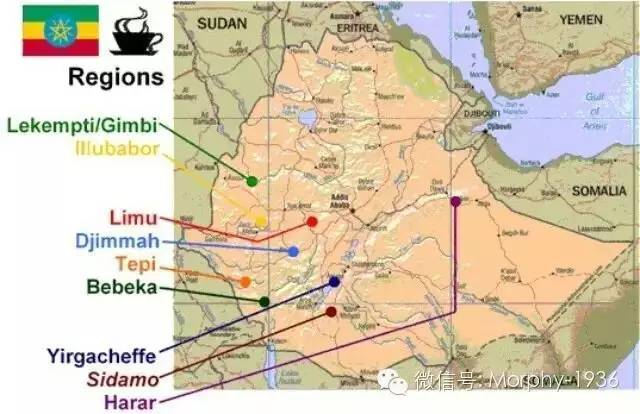
Flavor description of Ethiopian Candle Coffee beans in the field of boutique coffee, there are also five other small places, namely Lim, Gemma, Lakamputi, Bebeca and Limmu, Djimmah, Lekempti, Bebeka and Wolega. The most common coffee is Essidamo or Harald (Either Sidamo or Harr).

Brief introduction of Ethiopian Coffee the hometown of Arabica Coffee
Lim G2 Ethiopia is the hometown of Arabica coffee, and you can see wild Arabica coffee in the forests of the Kaffa region. In Ethiopian, coffee is called Bun or Buna, and coffee beans (coffee bean) may be translated from Kaffa Bun. Arabica coffee has long been found in the Harald area, which is very accessible.
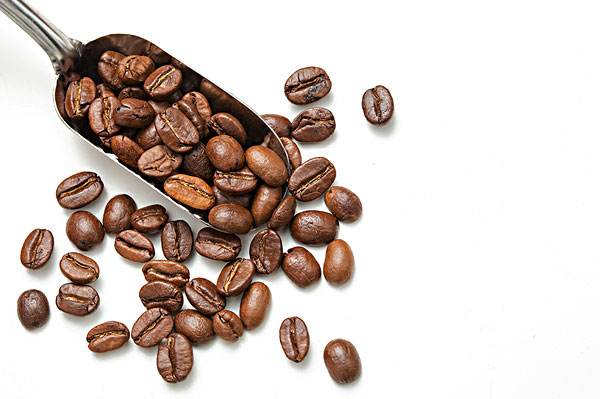
How to identify coffee beans in Ethiopia
Following Cafe (official Wechat account vdailycom) found that Ethiopian beans are easy to recognize. Most of the beans are small and pointed into long beans, so-called longberry, and often mixed with small oval-shaped short beans, so-called shortberry, looking uneven in size and appearance. The commercial scale of Grade4 or Grade5

What is the difference in flavor between sunny Sidamo coffee and water-washed Yega Chuefei?
From the bean shape, this bean is a typical Ethiopian, small grain, the size is not very uniform, the color is the characteristic of typical sun treatment, so it is specially compared with Harald. Sun Sidharma wbr Red Cherry Project (OCR) beans are similar in size and fresher in color (indeed, Harald is 11 years old, Sidamo is when

Ethiopian honey kiss coffee flavor description processing method production characteristics varieties taste introduction
Ethiopian fine coffee beans are located at very high altitudes, small beans, but extremely sweet (usually high-altitude beans, high acidity). They don't taste as effusive as the perfumed fruit of Aricha, Beloya, but if you push aside the wet powder brewed by Nekisse, you will smell extremely strong and complex spicy notes. This change

Why are the coffee beans of Yega Xuefei and Sidamo uneven in size, which means that there are many defective beans?
[preface] some time ago, some fans told us that Ethiopian beans are large and small, very uneven, and the defect rate is high. I think maybe we should figure out why the shape of Ethiopian beans is uneven and what is called defective beans. Why are Ethiopian coffee beans always big and small? The coffee beans in Ethiopia seem to be of different sizes
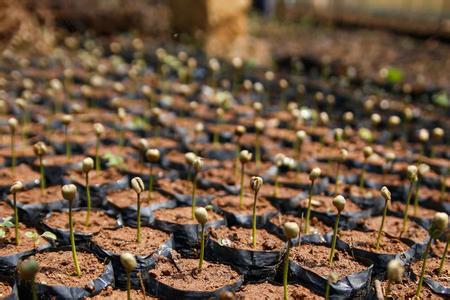
Grade Analysis of Ethiopian Coffee Bean by Solar method (High-shelf Solar method)
Ethiopian beans are easily recognizable, mostly small and pointed long beans, known as longberry, and often mixed with small oval-shaped short beans, called shortberry, which look uneven in size and appearance. The commercial bulk beans of Grade4 or Grade5 are mostly mixed with hundreds of different crystal seeds in different producing areas, so the phenomenon of uneven bean phase is the most obvious.
Introduction of boutique coffee beans Ethiopian coffee
Ethiopia is the hometown of Arabica coffee, and it is in the forests of Kaffa that you can see wild Arabica coffee. In Ethiopian, coffee is called Bun or Buna, and coffee beans (coffeebean) may be translated from Kaffa Bun. Arabica coffee was discovered early in the Harald area, probably from Kafa.

Introduction to the characteristics of Ethiopian Coffee Flavor Manor with soft acidity and rich alcohol thickness
Although the Ethiopian Yirgacheffe coffee is petite, it is gentle and delicate and sweet. As the hometown of coffee, thousands of years of planting history and processing tradition in Ethiopia have created high-quality washed Arabica beans. Light baking has unique sweet aromas of lemon, flowers and honey, soft acidity and citrus flavors, fresh and bright on the palate. No.

Ethiopian Yejia Coffee Flavor description treatment Variety production area Grinding scale
Ethiopia Yega Snow Coffee Flavor description processing Variety Grinding scale Yega Snow Coffee has always been famous in the eyes of coffee connoisseurs all over the world. Rare washed high-quality Elaraby plus coffee is suitable for all degrees of roasting, showing a fresh and bright aroma of flowers and fruits, beautiful and complete bean shape, which is incomparable to the general mocha. This kind of coffee is unique.

Characteristics of grinding degree of Ethiopian coffee with soft acidity introduction to flavor description of varieties
Grade of Ethiopian coffee: Ethiopian washed coffee Yega Chuefei G1 G2 Sidamo (Yirgacheffe, Sidamo) has the highest grades 2 and 3 (G2, G3), while sun-processed coffee in eastern Ethiopia is mostly grade 4 or 5 (G4, G5). In many cases, level 4 coffee is marked as level 5 in order to reduce taxes. At present, the classification is not uniform and there are

Description of the flavor characteristics of Ethiopian coffee beans the difference between Essex plus Xuefei and Guji Coffee
For more information on coffee beans, please follow the coffee workshop (Wechat official account cafe_style) Ethiopia is currently the largest coffee producer in Africa, but only 60% of the coffee beans are exported, and the rest are used in various forms of ceremonies, such as weddings.